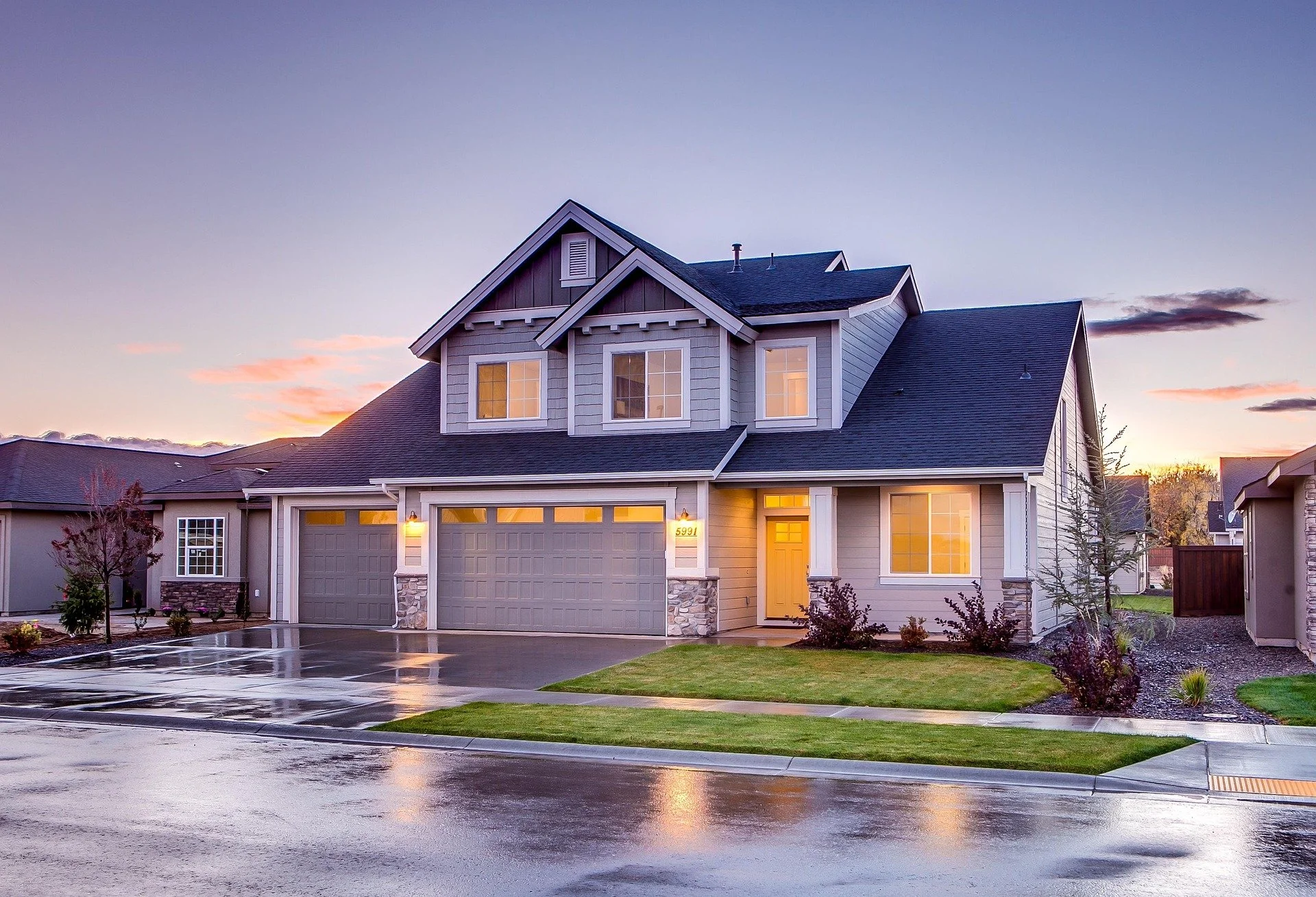
Thoughts on Home Security
Before you scroll down to the devices designed to protect your home, let’s talk about the most important—and most vulnerable—part of family safety: the human element.
Not a single device on this page, including the handgun at the bottom, will stop a life threat on its own. Every tool listed here relies on human interaction. Without a prepared person behind it, gear is just hardware.
True home security devices are meant to do three things:
Deter: Make an attempt on your life as difficult as possible.
Alert: Give you an early warning of an imminent threat.
Defend: Help you stop a threat when you have no other choice.
Recognizing danger early and creating distance between your family and the threat is critical for survival. Good gear doesn't replace you—it buys you the time you need to respond.
Common "Human Element" Failures
Even the best equipment fails when we overlook the basics. Watch out for these common mistakes:
The "It Doesn't Happen Here" Mindset: Assuming a quiet, affluent neighborhood or secure condo makes you immune to violent crime often leads to skipping simple, everyday safety habits.
Unmonitored Systems: Installing cameras or alarms without active monitoring, a subscription, or a real-time plan to act on the alerts.
Tools Without Training: Buying a handgun and a box of ammo, locking them away, and never getting proper training on how to use them under stress.
Overly Complex Tech: Setting up a security system for a family member living alone that they don't actually know how to operate.
No Communication Plan: Failing to establish a clear, reliable way to call for help the moment a threat is identified.
Neglected Maintenance: Installing devices and forgetting to check batteries, updates, or functionality until it’s too late.

We are watching in real time what I refer to as the “Human Element” in family and home security with the Nancy Guthrie case.

Not all threats to life come from a criminal. Are you familiar with the term, “Aging In Place”?
Building Your Home & Perimeter Security
With the right planning and resources, no home or facility is completely impenetrable. The true goal of home security is to make a break-in difficult enough that your family has a fighting chance at survival. When your system gives you an early warning, you gain the time needed to create distance, react, and stay safe.
Years ago, effective security equipment was out of reach for most budgets. Today, most of the tools on this page are inexpensive, reliable, and easy to install yourself.
Effective family security relies on layers. No single obstacle guarantees your safety—if one existed, we would all own it. Instead, you must force an intruder to defeat multiple obstacles before they ever reach your family.
1. The Outer Perimeter (Early Detection & Community)
Your first line of defense starts at the edge of your property and relies heavily on visibility and the people around you.
Smart Lighting & Detection: Use motion-activated lights and modern security cameras capable of distinguishing between nature, animals, and human movement.
Your Neighbors: Burglars rely on isolation—not just physical distance, but social isolation where neighbors don't know each other or don't want to get involved. Change that with a friendly introduction. Greet your neighbors when coming and going, and exchange phone numbers so they can alert you if they see something suspicious.
Condo & Apartment Staff: No condominium runs itself. Take the time to meet your building's security guards, maintenance crew, and office staff, and make sure they have a direct way to reach you.
2. The Secondary Perimeter (Hardening the Structure)
If someone crosses your yard or hallway, your home’s exterior must slow them down and alert you immediately.
Lighting is King: Keep entryways well-lit using continuous lighting or motion-activated lights set to a long duration.
Reinforced Entry Points: Properly secure all exterior doors, windows, and garage or parking areas (examples listed below).
DIY Alarm Systems: Alarms are no longer just for wealthy households. Affordable, easy-to-install systems like SimpliSafe—or even basic standalone door and window sensors—provide critical entry alerts (examples listed below).
Video Monitoring: Reliable cameras let you verify threats in real time. Personally, I’m a big fan of the Nest Cam (more on cameras below).
"Indicators of Life": Make your home look occupied using televisions, radios, dogs, or inexpensive programmable timers for your interior lights.
A Quick Homework Assignment: When was the last time you walked outside your home at night and looked at it through a burglar’s eyes? Step out to the street tonight, look in your windows, and ask yourself: What does this house tell a stranger about the family inside?
3. The Inner Perimeter (You)
The final layer of defense is the homeowner—alerted, armed, and committed to stopping the threat.
Never assume that being at home—or displaying "indicators of life"—makes you safe. Not every intruder is looking to steal your TV. Some predators specifically target occupied homes.
Real-World Reality Check: The Case of Christopher C.
Christopher C. wasn't a typical burglar; he was a predator who rarely entered homes to steal, other than occasionally taking a victim's car keys to drive away. Early in his criminal career, he used acid to burn off his own finger and palm prints. He specifically targeted occupied homes to watch victims sleep and sexually assault them.
One night, Christopher pushed his luck. After breaking into one home to prey on a sleeping young woman, he left and broke into a second home, where he raped a 74-year-old woman. The Spirit of the Law finally caught up with him in the early morning hours in a parking lot on the 1800 block of Washington Avenue—and the Spirit was heavy that morning. Christopher went to prison, later violated his probation, and has remained a fugitive on the run since June 2002.
Doors & Locks
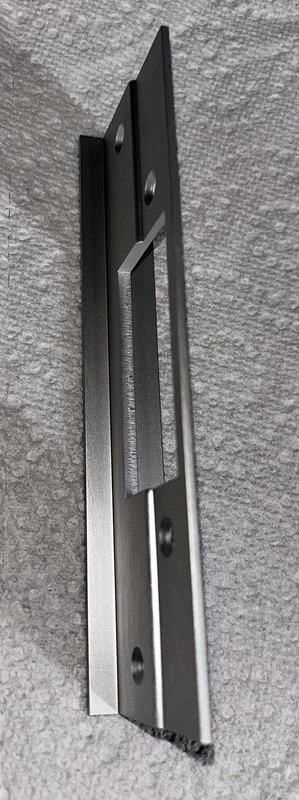
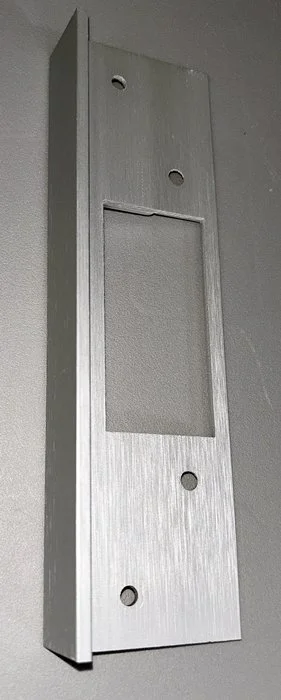
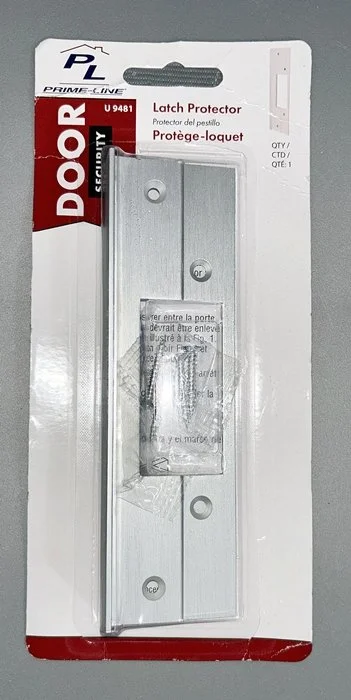
Your front door may have a nice Medeco lock on it, but it’s the door frame that the burglar is going to defeat, not your expensive lock. He can do it with a cheap pry-bar. Stand outside and look at your front door, if you can clearly see the dead bolt or the latch crossing from the door itself and sliding into the door frame, that’s a problem. That slim quarter inch gap where you see the bolt or latch crossing into the door frame, is where the threat inserts his prybar. The simple, cheap latch protector seen here makes it very difficult to get directly onto the bolt or latch. It takes a screwdriver and 15 minutes to install.
Strengthen the door around the dead bolt or latch. Here is probably the cheapest and best little addition to that door lock.

Now that I have you motivated toward strengthening that door, be advised that few burglars use the front door as a point of entry. The only unwanted individuals who like to breach the front door are SWAT Teams.
If your doors open to the inside, here is a link to a fantastic tool that secures the door and it is small enough to take on trips. Most hotel doors open to the inside.

Sliding Glass Doors & Window Security
How about that sliding glass door or even better that little bathroom window where you stack the shampoo. Burglars love these two points of entry. If you are able to afford or already have hurricane resistant glass for the sliding glass door, that’s great.
Often the burglar will use a pry-bar to lift the sliding glass door out of it’s track and simply place the door to the side.
See how easy it is to breach/enter a sliding glass door !
A Home Depot cheap wooden dowel or Home Depot PVC pipe in the bottom slide rail is a must. Measure the bottom and cut a piece at Home Depot about ½ inch longer than the bottom measurement. A dowel or PVC pipe can also be placed in the bathroom window. I can’t count the number of burglary reports that I have written, where the small bathroom window was the point of entry.
Take some 409 spray cleaner and clean the windows, door handle area and the rails, even if you live on a floor above ground level. Crime scene techs really appreciate a nice clean surface when they lift a subject’s prints. Do this wipe down every month
This house is just asking to be entered. Point of entry would be the second floor, accessed by the climbing the water pipe & electrical conduit pipe on the right side of this photo. Based on the design of the house in this photo, a burglar would not even bother with the front door. People might be downstairs and he will be headed upstairs to steal the best stuff, which is usually kept in the bedroom. A cheap, loud sensor is a must on all windows.
Lighting is a must, motion activated and bright. Cheap battery powered devices can be bought at Home Depot.
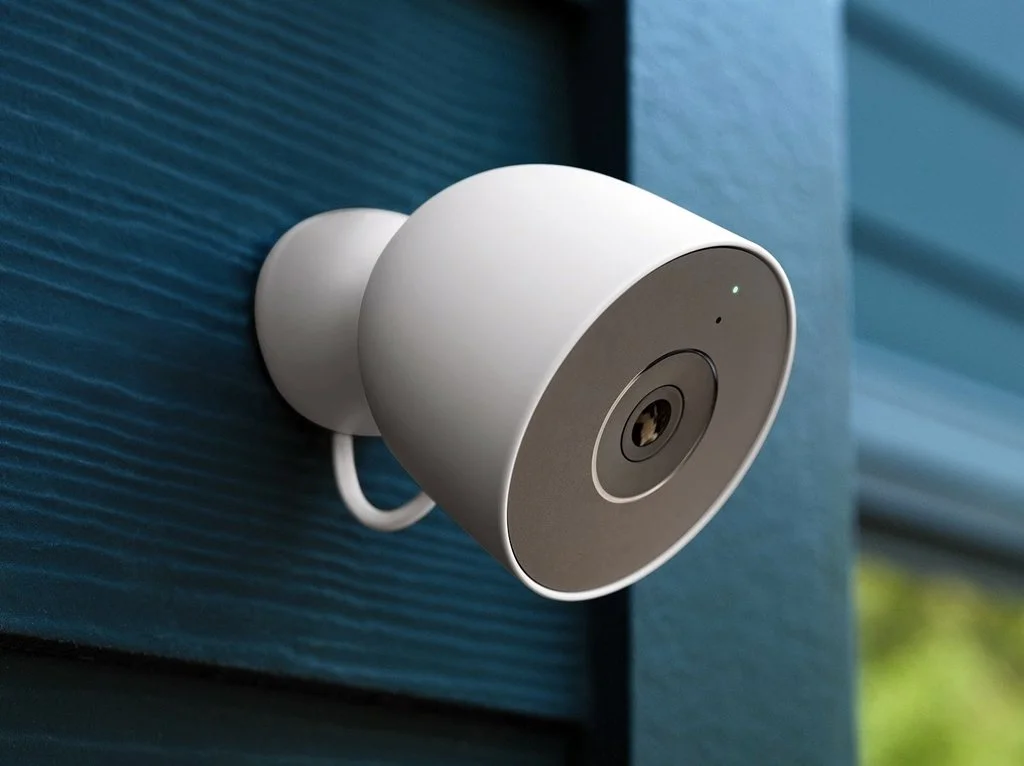
Video Security Cameras
First, a quick story...
The clearest surveillance footage I have ever seen came from a basic do-it-yourself setup. It was put together by an apartment building manager using a VHS recorder—yes, VHS—and a single camera, all bought at Walmart for under $200. On the flip side, I have seen footage from professionally installed systems costing over $100,000 where a suspect looked straight into the lens and still couldn't be identified.
What was the difference? Every single week, that apartment manager grabbed a stepladder and some glass cleaner and wiped down the camera lens. Because he maintained it, the footage was crystal clear—and the suspect was easily identified by neighbors.
Ask yourself: When was the last time you cleaned the lens on your home security cameras?
What to Look for in a Camera System
There are countless security cameras on the market today, making it easy to overcomplicate your setup. Keep things simple and effective by sticking to these essentials:
One Unified Ecosystem: If you use both indoor and outdoor cameras, stick with the same brand for all of them. Managing every camera from a single smartphone app saves critical time during an emergency.
Continuous Cloud Recording: Look for a system that streams and saves continuous live video to the cloud—not just short, delayed clips.
High Clarity & Instant Alerts: Prioritize sharp video resolution paired with real-time alerts sent straight to your phone.
Two-Way Audio: Many modern cameras let you speak directly to whoever is on your property, allowing you to warn off an intruder before they attempt entry.
My Personal Approach: Cut Out the Middleman
While you can pay an alarm company to monitor your cameras, I prefer a smartphone-controlled system that puts you directly in charge. If someone refuses to leave or attempts to break in, you can call 911 yourself—cutting out the middleman and saving valuable seconds.
Pro Tip — Practice Your Response: Don't wait for an emergency to figure out how your phone handles multitasking. Practice opening your camera app to view the live feed while simultaneously placing a call to a friend. Getting comfortable watching live video while talking on the phone ensures you can give a 911 dispatcher accurate, real-time details under pressure. (Nest cameras allow this exact type of control.)
In 2015 a party balloon got separated from it’s owner and floated through the sky, coming to rest on my balcony here in South Florida. My security camera picked it up and I got the alert on my cellphone with live video in 7 seconds. I was in Saigon, Vietnam, now called Ho Chi Minh City.
SimpliSafe has a self-monitoring plan for $9.99 a month.
Easy to install, with very good door and window sensors. An extremely loud alarm siren that can be adjusted from your cellphone app.

Family Safety Outside The Home
Regardless of your home security system, you eventually have to walk out the front door. Follow this link to a blog post on “Survival In Our Daily Routine”
Some Final Thoughts On Family and Home Safety
The single biggest cost in your security system will probably be the video cameras. They are not as expensive as you might think, shop around and buy one at a time. Get a subscription that gives you live feed 24/7. I know someone who has three cameras running 24/7, one week of history and the subscription cost is $10.00 a month. These cameras are actually at the top of their field for clarity and dependability.
When you have some time during the day, take a slow walk around your home. Look at your home as as though you are a burglar and what you have always wanted is inside, figure out a way to breach your home.
Burglars are no smarter than we are, they are just desperate and have some on-the-job training experience. Fix any weaknesses that you find.
Lastly, if a subject makes it into the inner perimeter, here is a device that can help,,,,,,,